
Challenges of Implementing AI in South Africa’s Schools.
Addressing the Costs, Equity, and Ethical Issues
Affordability and Infrastructure
Explanation: Implementing AI requires a significant investment in technology, training, and infrastructure, which can be challenging for many schools, especially in rural or underfunded areas. Costs for AI-powered devices, software licenses, and consistent internet access can add up, making it hard for schools with limited budgets to adopt AI.
Example: Schools in urban areas may have access to advanced AI tools, while rural schools struggle due to limited internet connectivity and lack of technical support, widening the digital divide.
Possible Solutions: Government subsidies, partnerships with tech companies, or non-profit support could make AI more affordable.

Protecting Student Information
Explanation: AI systems collect vast amounts of student data to personalize learning, which raises concerns about data security and student privacy. Schools need to ensure that personal data—such as learning progress, behavior patterns, and personal information—is stored securely and only used with consent.
Example: Unauthorized access or data leaks could compromise student privacy, exposing sensitive information or violating data protection laws like the Protection of Personal Information Act (POPIA) in South Africa.
Possible Solutions: Implement strong data protection protocols, train staff on data privacy, and work with AI providers who comply with local privacy regulations.

AI’s Role in the Classroom
Explanation: AI’s role in automating tasks could change teaching dynamics, raising concerns about job displacement and altering the teacher-student relationship. Teachers may worry that AI tools will replace them or undermine their role, creating uncertainty about job security.
Example: Automated grading or virtual tutors could reduce teacher involvement in certain areas, which may impact their interaction with students. Additionally, teachers may need to develop new technical skills to effectively use AI tools.
Possible Solutions: Rather than replacing teachers, AI can assist them by taking on repetitive tasks, allowing more time for student engagement. Comprehensive teacher training on AI tools could also help in adapting to the new technologies.
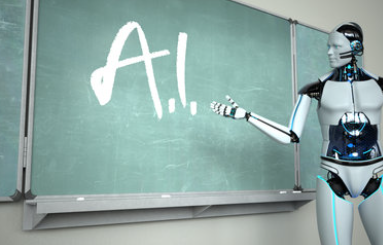
Ensuring AI Is Fair and Inclusive
Explanation: AI systems can reflect biases present in the data they’re trained on, which can lead to unfair treatment of students. For example, if AI tools are developed with data from specific demographics, they might not respond well to the diverse backgrounds of South African students.
Example: An AI tool that doesn’t account for cultural or language differences could provide misleading feedback or even unintentionally discourage students from underrepresented backgrounds.
Possible Solutions: Use diverse and representative data when training AI models, and involve educators in the development process to ensure inclusivity.

Balancing Technology and Human Connection
Explanation: Over-reliance on AI can reduce the human element in education, which is crucial for social and emotional learning. Students need human interaction to develop soft skills like empathy, teamwork, and communication, which are less effectively taught by AI.
Example: If AI takes over certain educational roles, students may miss out on the critical interpersonal skills traditionally developed through teacher and peer interaction.
Possible Solutions: AI should be used as a supplement rather than a replacement for human educators, ensuring that students continue to benefit from meaningful human interactions.

Join the Conversation on AI in Education
Artificial Intelligence is shaping the future of education in South Africa, and your voice matters! How do you think AI can improve—or challenge—our schools? Share your thoughts, ideas, or concerns about the role of AI in creating a fair, effective, and inclusive learning environment. Join the discussion, connect with others, and help drive meaningful change in education. Leave a comment below or connect with us on social media to be part of the conversation!