How AI Could Transform Education in South African Schools
Personalized Learning
Individualized Education for Every Student
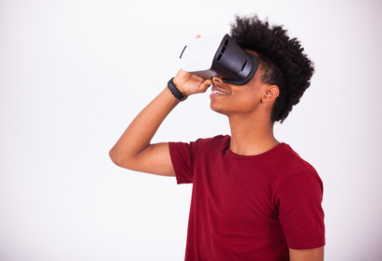
- AI-driven platforms like Khan Academy and CenturyTech use algorithms to adjust content and difficulty based on each student’s learning pace. For example, if a student struggles with a math problem, the AI could provide simpler problems or additional tutorials until the student improves.
- In South Africa, AI-powered platforms could address diverse learning needs across languages, abilities, and educational backgrounds, tailoring lessons to each student.
Language and Literacy Support
Individualized Education for Every Student
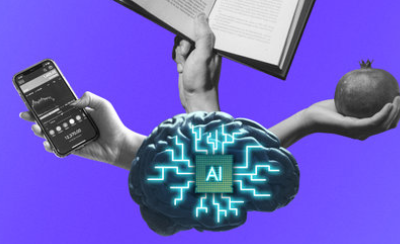
- Language barriers are common in South Africa’s multilingual education system. AI tools like Duolingo or Google Translate could help students learn in their native language or access translations of key materials.
- For instance, an AI chatbot could offer instant translations during lessons or assist in reading comprehension by explaining words in students’ first language.
- Such tools can improve literacy rates by offering reading exercises tailored to the student’s proficiency level, which is especially useful in rural areas where teaching resources might be limited.
Special Needs Education
Supporting Every Learner

- AI can enhance inclusivity in classrooms by supporting learners with disabilities. For example, students with visual impairments can use text-to-speech software, while students with hearing impairments might benefit from AI-generated subtitles or sign language translation.
- Microsoft’s Seeing AI app uses AI to describe surroundings, faces, and text to visually impaired students, enabling greater participation in classroom activities.
- In South Africa, where special education resources may be scarce, these AI-driven tools can offer cost-effective and scalable solutions to help students thrive.
Distance and E-learning Opportunities
Expanding Education Access with Online Learning
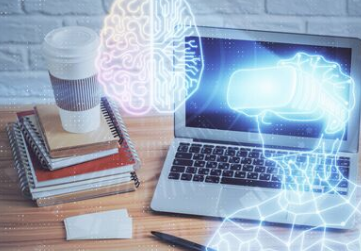
- AI can support online and blended learning, providing students in remote areas with access to quality education. Platforms like Google Classroom and Edmodo use AI to track student progress, suggest resources, and engage students in interactive learning.
- In rural South African communities, where physical schools and teachers may be limited, AI-based e-learning solutions can bridge the educational gap, providing interactive lessons, assessments, and feedback.
Using Data to Improve Education Quality
Expanding Education Access with Online Learning
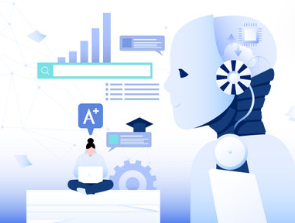
- AI analyzes student data (such as test scores, attendance, and engagement levels) to offer insights into student needs, helping schools and policymakers make evidence-based improvements to the curriculum.
- For example, if AI detects a trend of low performance in certain topics, it could suggest targeted interventions, such as additional teacher training or updated materials, allowing schools to proactively address learning gaps.
Summary
AI tools can tailor lessons to individual students, bridge language gaps, and offer accessibility features for students with disabilities. Additionally, AI provides data-driven insights that can guide curriculum and policy improvements, creating a more effective and inclusive learning environment.